Drunken Noodles Near Me: Best Orders for Meat Lovers and Vegetarians
Few takeout cravings are as specific, or as satisfying, as the urge for a hot box of drunken noodles. The dish lands in a sweet spot that many noodle plates miss. It is broad and savory, but still fresh with basil. It can be intensely spicy without turning one-note. It works equally well with beef, chicken, tofu, shrimp, or just vegetables, which is why searching for Drunken Noodles Near Me tends to become a habit once you find a place that gets it right.
I have ordered this dish in tiny family-run Thai spots, polished downtown restaurants, food courts, and late-night kitchens that clearly knew exactly what hungry people wanted at 9:45 p.m. After enough meals, patterns emerge. Some restaurants excel at smoky wok char and rich sauce. Others lean bright and herbal. Some do better with meat, where rendered fat deepens the noodles, while others shine with tofu and vegetables because they know how to balance texture rather than simply swap ingredients.
If you want to order wisely, it helps to know what drunken noodles are supposed to deliver, what can go wrong, and which combinations tend to work best depending on whether you eat meat or prefer a vegetarian plate.
What makes a good drunken noodle order
A proper Drunken Noodle should feel generous and lively, not heavy in a dull way. The noodles are usually wide rice noodles, soft but not mushy, with enough chew to hold sauce. The wok should leave a little char. That subtle smoky note is often the difference between a decent plate and one you remember.
The sauce matters just as much. In most kitchens, the backbone is savory and slightly sweet, often built around soy-based seasonings, garlic, chilies, and basil. Good versions do not drown the noodles. They coat them. When the cook gets the ratio right, each strand tastes seasoned but the dish still feels agile rather than sticky.
Texture is where many takeout orders win or lose. You want contrast: tender noodles, crisp vegetables, aromatic basil, and a protein that has its own character. Bell peppers should still have some life. Onions should be soft at the edges but not collapsed into the sauce. Thai basil should perfume the whole box the second you open it.
A disappointing order usually fails in one of three ways. First, the noodles overcook and fuse into a soft slab. Second, the kitchen pours in too much sauce, which turns everything salty and flat. Third, the protein is treated like an afterthought. That last problem comes up more often than people realize, especially with vegetarian versions. A restaurant may have excellent noodles but weak tofu technique, which changes the whole meal.
Why the nearest place is not always the best place
People search “near me” when hunger is immediate, and that is fair. Still, proximity only solves one part of the problem. Drunken noodles are especially sensitive to timing, heat, and kitchen habits. A place five minutes away that sends out limp noodles is worse than a place fifteen minutes away that packs them properly and cooks them hard over a hot wok.
I usually judge a https://franciscopbkk195.almoheet-travel.com/drunken-noodles-near-me-the-best-way-to-find-your-new-favorite-dish restaurant’s drunken noodles by clues that show up before ordering. If the menu offers a clear spice scale or notes about basil, chilies, and wide rice noodles, that is a good sign. If the dish appears as an afterthought with no detail, it may still be good, but I am more cautious. Photos help too, though they are imperfect. You can often tell whether the noodles have the right sheen and whether the vegetables look freshly stir-fried or steamed into submission.
Reviews need a little interpretation. General praise like “great Thai food” is less useful than specific comments about noodle texture, spice level, and consistency. If several reviewers mention that the drunken noodles are smoky, spicy, and balanced, I pay attention. If multiple people say the dish arrives sweet, soggy, or bland, I believe them.
Distance also affects the experience more than people expect. Ten extra minutes in a delivery bag can soften the noodles and wilt the basil. If you are ordering from farther away, the restaurant’s packaging suddenly matters. Better places vent the container slightly or at least avoid sealing in too much steam.
The best meat lover orders, and why they work
For meat eaters, drunken noodles can become deeply satisfying in a way that vegetarian versions sometimes struggle to match, but only if the protein is cooked with intention. The point is not just adding meat. The point is choosing the protein that actually improves the noodles.
Chicken is the safest and most common order. It absorbs sauce easily, stays relatively light, and pairs naturally with basil and chilies. A good chicken drunken noodle has slices that remain tender without vanishing into the dish. If the kitchen uses thigh meat, that is often a plus. It brings more flavor and holds up better to intense heat. Chicken breast can work, but it dries out fast, especially in takeout.
Beef is, in my experience, the strongest order when the restaurant handles wok cooking well. Thin slices of beef bring richness that echoes the charred noodles. The sauce clings beautifully to the meat, and the fat rounds out the heat. This is often my default choice at places known for strong stir-fries. The only risk is toughness. If the restaurant has inconsistent reviews on meat texture, I would not gamble on beef first.
Pork can be excellent, though it appears less often. When the kitchen uses slices with a bit of fat, pork gives the dish a savory sweetness that plays well with the basil. Ground pork versions, if offered, can be especially good because the little bits distribute flavor through the noodles. It is not the most common choice, but at the right restaurant it can outperform chicken.
Shrimp changes the character of the dish more than people expect. It adds sweetness and a cleaner finish, but it does not contribute the same depth as beef or pork. I order shrimp when I want a lighter plate or when I know the kitchen is good at seafood. Poorly cooked shrimp turns rubbery fast, and in a spicy noodle dish that texture stands out immediately.
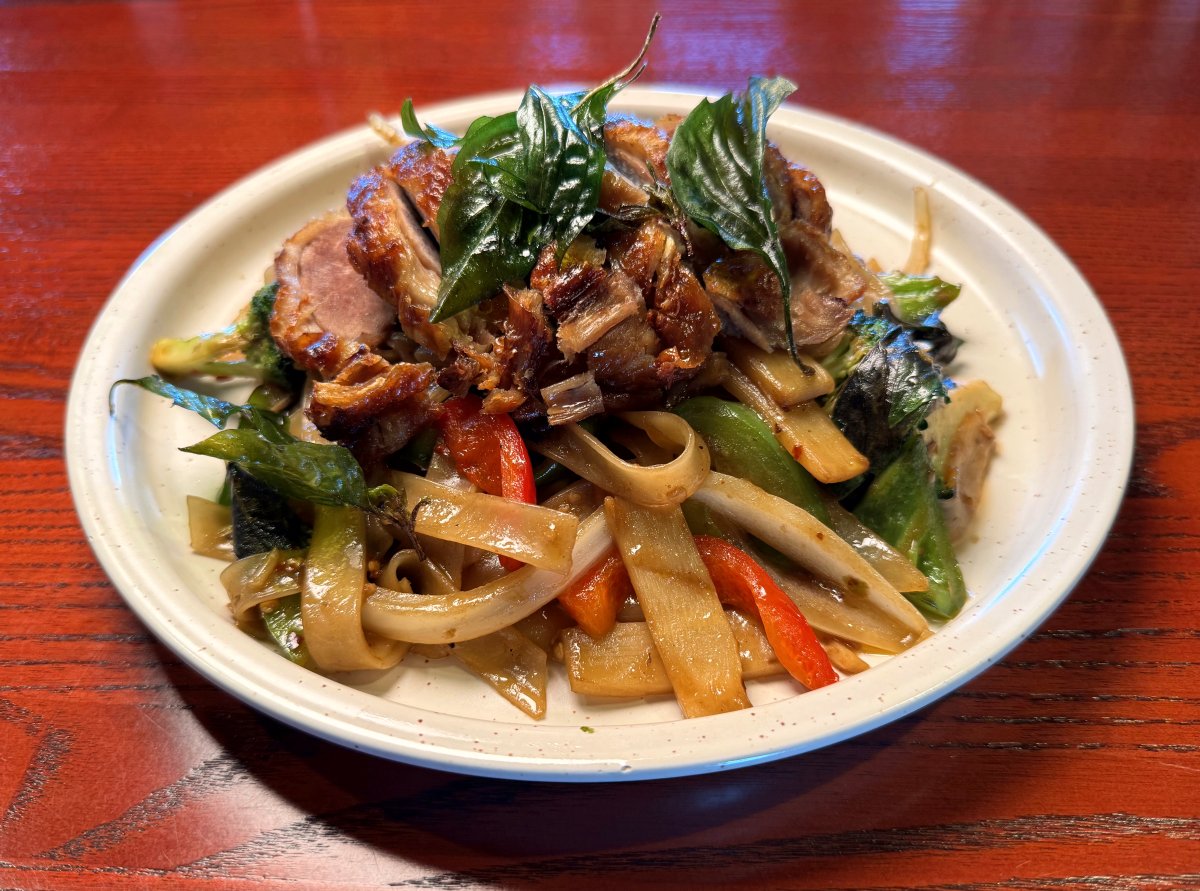
Duck, when available, can be spectacular. It is not traditional in every kitchen, and it is often pricier, but crispy or roasted duck folded into spicy basil noodles has real payoff. The richness works best when the sauce is restrained. Too much sauce and the duck loses its edge.
For someone searching Drunken Noodles Near Me with a serious appetite, beef usually gives the fullest experience, chicken gives the safest one, and pork sits in that sweet middle ground where value and flavor often meet.
Vegetarian drunken noodles can be just as compelling
Vegetarian orders are not consolation prizes. At the right restaurant, they are among the most vivid and balanced versions of the dish. The challenge is that many kitchens treat vegetarian requests as a subtraction problem. They remove the meat, add extra broccoli or carrots, and call it done. The best vegetarian drunken noodles are built, not patched.
Tofu is the obvious anchor, but tofu quality varies wildly. When it is pressed properly, seared well, and seasoned enough to stand up to the sauce, tofu works beautifully. It soaks up the savory base while offering crisp edges and a soft center. When it is merely warmed through and dropped into the noodles, it contributes very little beyond bulk.
If I am ordering vegetarian from a new place, I look closely at the rest of the menu. A restaurant that offers multiple tofu preparations or clearly understands vegetarian cooking usually does better here. A place that has one token tofu stir-fry often does not.
Vegetables matter more in a meatless version because they carry the texture. Bell peppers, onions, green beans, baby corn, mushrooms, and broccoli can all work, but mushrooms deserve special attention. They bring savoriness that helps replace some of the depth meat naturally adds. Oyster mushrooms, shiitakes, or even well-browned button mushrooms can make a vegetarian drunken noodle order taste much more complete.
Egg is another important variable. Some vegetarians eat it, some do not. If you do, keeping the egg in the dish often helps. It adds richness and soft curds that mingle with the noodles and sauce. If you skip both meat and egg, ask whether the kitchen can add extra tofu or mushrooms instead. That small adjustment can make the plate feel more intentional.
One issue vegetarians run into is fish sauce. Many Thai noodle dishes use it by default, so “vegetarian” on an app does not always guarantee a fully meat-free sauce base. If that matters to you, it is worth checking directly. Good restaurants are used to this question and can usually answer quickly.
The spice question is more important than people think
Drunken noodles should have heat, but there is a difference between purposeful spice and punishment. Ordering the hottest level at an unfamiliar restaurant is one of the most common mistakes people make. Thai restaurants vary enormously in how they calibrate spice, and drunken noodles already carry bold flavors that can get lost if the heat overwhelms everything else.
My usual advice is simple. At a new restaurant, start one step below your ego. If you normally order dishes hot, choose medium-hot or whatever sits just under the top tier. That gives you room to taste the basil, garlic, and sauce rather than merely survive the chilies.
This matters for both meat and vegetarian orders. With beef or pork, too much spice can flatten the richness that makes those proteins appealing. With tofu or vegetables, excessive heat can make the dish feel thin because there is less fat to cushion the burn.
Some places also offer chili trays or packaged condiments on the side. That is the best-case scenario. You can always add heat. You cannot subtract it once the noodles are cooked.
How to tell whether a restaurant does drunken noodles well
There are a few practical tells that separate places that merely offer the dish from places that really know it.
A strong version usually arrives looking a little irregular, in a good way. The noodles are folded and twisted, not neatly uniform. That suggests real wok tossing rather than steam-table handling. You may see darker edges on some noodles where they picked up char. Basil leaves should still be visible. The vegetables should look glossy, not faded.
The aroma is another giveaway. You should smell basil and savory heat right away. If the first note is only sugar or soy, the balance may be off. A dish that smells alive usually tastes alive.
Meat should be integrated, not perched on top as an afterthought. In many weak takeout orders, the protein is cooked separately, then added at the end. You can taste that disconnect. Better kitchens cook the protein into the stir-fry so the sauce, vegetables, and noodles share one flavor.
For vegetarian orders, look for evidence that the kitchen considered structure. If the container is mostly noodles with a few random vegetable slices, the dish will probably feel monotonous. If there is a real mix of vegetables, tofu with color on it, and enough basil to register, the chances improve.
Best customizations when ordering takeout or delivery
Some customizations improve drunken noodles. Others ruin the balance. Over the years, a few requests have consistently paid off.
Ask for spice on the side only if the restaurant can actually do it. Some kitchens can, others cannot because the chilies are cooked into the base. If they can separate it, that is ideal for cautious eaters.
Request extra basil if the menu allows it. That fresh herbal note fades during delivery, so a little more helps the dish arrive brighter. Extra vegetables also tend to work well, especially in vegetarian orders, because they preserve some crunch and keep the noodles from feeling too dense.
Extra sauce is more complicated. People ask for it reflexively, but drunken noodles often suffer from too much moisture. If you are dining in, extra sauce is less risky. For delivery, it can turn the noodles soft by the time they reach you. I would rather ask for sauce on the side than mixed in.
Protein upgrades depend on the restaurant. If the place is known for excellent beef, pay the extra few dollars. If the reviews rave about crispy tofu, lean into that. The dish is simple enough that one strong ingredient can transform it.
Here are the customizations that tend to help most:
- Ask for medium or medium-hot spice at a new restaurant.
- Add extra basil or extra vegetables rather than extra sauce.
- For vegetarian orders, confirm whether the sauce can be made without fish sauce.
- Choose beef for depth, chicken for consistency, tofu for a lighter but still satisfying plate.
- If available, get chili or sauce on the side for better control.
Meat lovers versus vegetarians, where the trade-offs really are
The comparison is not just about flavor intensity. It is about what kind of eating experience you want.
Meat-based drunken noodles usually feel rounder and more indulgent. Beef and pork deepen the sauce and create a heavier, almost stickier satisfaction that suits cold weather, late dinners, or big appetites. If you are tired, hungry, and want one container to carry the whole meal, meat often wins.
Vegetarian versions can feel more agile and brighter. When built well, they let the basil, chilies, and vegetables speak more clearly. You finish the meal feeling full, but not weighed down. For lunch orders or warmer days, that can be the better call.
There is also a consistency issue. Chicken drunken noodles are the most forgiving across average restaurants. Vegetarian orders are the most variable, because they rely on the kitchen caring about tofu and vegetables as much as it cares about meat. Beef has the highest upside but also more risk if the cooking is sloppy.
Budget matters too. In many markets, chicken is still the value order, while beef, shrimp, and duck cost noticeably more. Tofu is often cheaper, though some places charge almost the same for all proteins. If you are feeding several people, a couple of vegetarian orders alongside one richer meat order can be a smart way to keep variety high without overspending.
Pairing your order without overwhelming it
Drunken noodles are bold enough to stand alone, which is part of their appeal. Still, if you are building a larger meal, pairings matter. I usually avoid ordering too many heavy fried sides with this dish, especially if the noodles already carry beef or pork. The meal can get dense fast.
A crisp papaya salad or fresh spring rolls give the meal contrast. If I am ordering vegetarian drunken noodles, I am more open to adding something rich on the side because the noodles themselves stay lighter. If I am ordering beef or duck, I keep the rest of the meal cleaner.
Drinks matter as well. Sweet iced tea can be pleasant, but with spicy noodles it can become a lot of sugar at once. Sparkling water, plain iced tea, or even just cold water often lets the dish show more nuance. When people say all drunken noodles taste the same, it is often because they have paired them with overly sweet drinks and sides that blur the details.
When the best order is not the obvious one
One habit I have picked up is using a restaurant’s strengths to choose the protein. If the menu suggests the kitchen does a lot of beef stir-fries well, I order beef drunken noodles. If the restaurant clearly takes vegetarian cooking seriously, with multiple tofu dishes and thoughtful vegetable combinations, I lean vegetarian. If seafood looks central to the menu, shrimp becomes more attractive.
This sounds simple, but people often order by routine rather than by fit. They always choose chicken, or always choose tofu, even when another option is likely stronger at that specific restaurant. The best Drunken Noodle order is not universal. It is the one that matches the kitchen.
At one neighborhood spot I used to visit regularly, the chicken version was reliable but forgettable. Then I tried the tofu version because a friend insisted, and it was clearly the better dish. The tofu had crisp corners, the mushrooms were browned, and the sauce was slightly lighter, which made the basil taste brighter. At another place across town, the beef version was miles ahead because the cooks knew how to char the noodles and keep the meat tender. Same dish on paper, very different realities in the box.
Finding your regular order
If you search Drunken Noodles Near Me often enough, you eventually stop looking for the nearest option and start looking for your version of the dish. For some people that is fiery beef with extra basil. For others it is tofu and vegetables, medium spice, no fish sauce, eaten at lunch when the noodles are freshest from the wok.
A good rule is to treat your first order from a new restaurant as reconnaissance. Keep the spice level sensible. Pick a protein that matches the kitchen’s likely strengths. Avoid over-customizing. See how the noodles travel, how much basil they use, whether the sauce is balanced, and whether the protein feels integrated or tacked on.
After that first order, you can dial in what the place does best. Maybe it turns out to be chicken with added vegetables. Maybe the tofu version is surprisingly excellent. Maybe the beef is worth the extra cost every single time.
That is the appeal of drunken noodles. They are familiar enough to crave, but flexible enough to reward attention. Whether you eat meat or prefer a vegetarian plate, the best order is the one that respects the core of the dish: wide rice noodles, real wok heat, vivid basil, and a protein or vegetable mix that belongs there rather than just filling space. When a restaurant gets those details right, you stop searching and start reordering.
Nakhon Luang Thai Kitchen
Address: 805 Village Center Dr, Colorado Springs, CO 80919
Phone number: +17195315175
FAQ About Drunken Noodles Near Me
What makes it drunken noodles?
Drunken noodles, or Pad Kee Mao, get their name from the Thai word khi mao (meaning "drunkard"). They contain no alcohol. The name comes from the idea that the dish is a popular late-night meal to cure a hangover or a great food to eat with a cold beer.
What is the difference between pad see ew and drunken noodles?
While both Pad See Ew and Drunken Noodles use the same wide rice noodles, Pad See Ew is a mild, sweet-savory dish made with dark soy sauce and Chinese broccoli, whereas Drunken Noodles (Pad Kee Mao) are fiery, garlicky, and herbaceous with fresh chilies and Thai basil.
What are traditional drunken noodles?
Traditional drunken noodles, known as Pad Kee Mao in Thai, are a fiery, savory street food stir-fry made with wide flat rice noodles, fresh garlic, lots of hot chilies, meat or tofu, and fragrant holy basil. Despite the name, they contain no alcohol; the dish is traditionally eaten late at night or as a hangover cure because the intense spice helps clear the head.