Drunken Noodle Near Me: Why It’s One of the Best Thai Dishes to Order
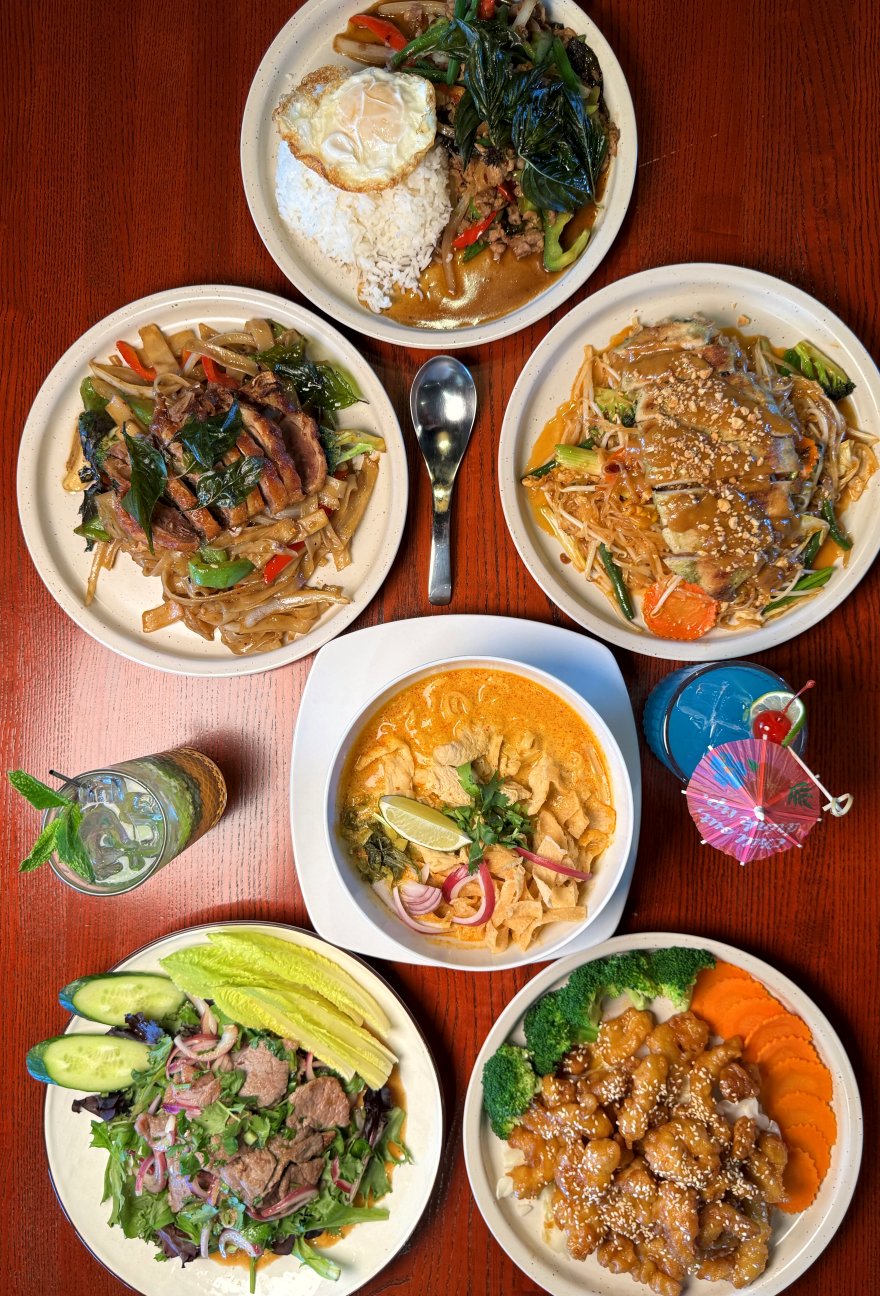
There are certain dishes people try once and then spend months looking for again. Drunken Noodle is one of them. It has that rare combination of comfort and intensity, familiar enough to feel satisfying on a tired weeknight, bold enough to stand out from a crowded takeout menu. If you have ever typed “Drunken Noodles Near Me” into your phone while debating dinner, you already understand the pull. You are not just looking for Thai food. You are looking for a specific experience: wide rice noodles slicked with sauce, fragrant basil, a punch of heat, and the kind of savory depth that keeps every bite interesting.
Among Thai restaurant staples, Drunken Noodle earns its place near the top because it delivers quickly and well. It travels better than some curries, feels more substantial than lighter noodle soups, and offers more texture than many stir-fries. It is a dish that can satisfy a serious appetite without feeling heavy in the wrong way. Done well, it is smoky, chewy, spicy, aromatic, and balanced. Done poorly, it can turn greasy, overly sweet, or soggy. That gap between average and excellent is exactly why this dish deserves a closer look.
What Drunken Noodle actually is
Drunken Noodle, often listed as pad kee mao on Thai menus, is a stir-fried noodle dish built around wide rice noodles, soy-based seasoning, garlic, chilies, vegetables, and holy basil or Thai basil, depending on the kitchen. Protein varies. Chicken is common, beef works well, shrimp can be excellent, and tofu is often better than people expect because it absorbs the sauce so thoroughly.
Despite the name, the dish does not usually contain alcohol. The name has a few popular explanations, and restaurants may repeat different versions. One is that it pairs well with drinking because the spice cuts through rich flavors and wakes up the palate. Another is that it is the kind of dish a hungry person might throw together late at night. Whatever story a restaurant chooses, what matters on the plate is the style: loose, high-heat stir-frying and bold seasoning rather than delicacy.
That high-heat element matters more than many diners realize. Good Drunken Noodle should taste as though the noodles and vegetables spent real time in a hot pan or wok. You want a slight char on some edges, not enough to taste burnt, just enough to bring a faint smokiness. It is a detail that separates a forgettable container of noodles from one you think about the next day.
Why people crave it so specifically
Most Thai menus offer several noodle dishes, and each has its loyal audience. Pad Thai is sweet-tangy and crowd-pleasing. Pad see ew is softer, slightly sweeter, and more restrained. Drunken Noodle has a different personality. It is more aggressive in the best sense. The basil pushes fragrance forward, the chilies add immediate impact, and the sauce tends to lean savory rather than sugary.
That balance explains why the craving can feel so precise. Someone in best drunken noodles the mood for Drunken Noodle is not usually satisfied by “any noodles.” They want chew. They want heat. They want basil. They want the slippery, caramelized edges that come from proper stir-frying. This is why the search for “Drunken Noodles Near Me” often ends with repeat orders from the same place once a good version is found.
From a dining perspective, it is also one of the most reliable crossover dishes on the menu. People who like spice usually appreciate it, but those who prefer moderate heat can often order it mild and still get plenty of flavor. It works for lunch, dinner, solo takeout, or family-style sharing. That flexibility makes it one of the most practical Thai dishes to know well.
The texture is half the appeal
Talk to regular Thai food customers and they will often mention sauce or spice first. In practice, texture is what makes Drunken Noodle memorable. Wide rice noodles have a pleasant pull when cooked correctly. They should bend, fold, and stretch a little under the fork or chopsticks. They should not fall apart into mush, and they should not clump into a solid block.
The vegetables add contrast. Bell pepper, onion, baby corn, green beans, or broccoli may appear depending on the restaurant. Fresh chili contributes more than heat, it gives little bursts of sharpness. Basil softens in the pan but still perfumes the dish. Protein adds another layer. Beef gives richer chew, chicken stays familiar and accessible, shrimp creates a sweeter, firmer bite.
This is one reason Drunken Noodle often satisfies more completely than dishes with thin noodles. Thin noodles absorb sauce beautifully, but wide rice noodles create a fuller mouthfeel. Each bite has weight. That matters when you are ordering a single entrée and want it to feel like a full meal rather than a light snack stretched by sauce.
Heat, but not heat for its own sake
A common mistake is to think Drunken Noodle is only for people who want maximum spice. Heat is important, but it should never flatten the rest of the dish. The best versions start with savory depth, then bring in chili, then finish with basil fragrance. If the first thing you taste is blunt fire and the last thing you remember is pain, the kitchen missed the point.
Thai restaurants in the United States often adjust spice scales because customer tolerance varies widely. A “medium” at one restaurant can be hotter than a “Thai hot” at another. From experience, if you are trying a place for the first time, medium is usually the safest starting point unless you know the kitchen’s habits. Heat can lift the dish, but excessive chili can obscure the subtle smokiness and dark soy notes that make Drunken Noodle more than just spicy noodles.
There is also a practical side here. If you are ordering for delivery and plan to eat it over 20 to 30 minutes, very high spice sometimes intensifies as the noodles steam in the container. What felt balanced in the wok can turn punishing by the time it reaches your table. That does not happen everywhere, but it is common enough to consider.
Why it often outperforms other takeout choices
Not every restaurant dish survives travel well. Crispy foods soften. Delicate herbs wilt. Soups cool. Drunken Noodle tends to handle delivery better than many alternatives because it is already built around a cohesive stir-fry format. The sauce clings rather than pooling, the noodles retain body if cooked properly, and the flavors remain bold even after a short ride in a paper bag.
That resilience is one of the reasons people search for “Drunken Noodles Near Me” instead of simply choosing the nearest Thai restaurant at random. Convenience matters, but this dish rewards quality. A restaurant that can keep the noodles springy and the basil vivid after delivery probably pays attention in the kitchen.
It also reheats reasonably well. Fresh is always best, especially for noodle texture, but leftovers can still be enjoyable if warmed carefully. A microwave can work in short bursts, ideally with a splash of water and a loose cover to create steam. A skillet is better if you have time, because it restores some of the stir-fried character. Few noodle dishes return to their original form on day two, but Drunken Noodle holds up better than most.
What separates a great version from a mediocre one
After eating this dish at everything from tiny family-run spots to polished urban Thai restaurants, the difference usually comes down to restraint and timing. A mediocre version often has one or more obvious flaws: too much sauce, not enough basil, vegetables cooked to exhaustion, noodles broken from rough handling, or sweetness that overwhelms the savory base.
A great version tastes composed, even though the dish itself is rustic and energetic. The noodles stay intact. The sauce coats instead of drowning. Basil shows up clearly. The vegetables still have life. There is enough oil to carry flavor and create sheen, but not so much that a puddle forms at the bottom of the container.
If you want a quick mental checklist for quality, these signs rarely fail:
- The noodles are glossy and separate easily, not clumped or gummy.
- Basil is noticeable in aroma and flavor, not just a token garnish.
- Spice supports the dish rather than overpowering it.
- Vegetables keep some crunch or snap.
- The sauce tastes savory first, with sweetness in the background.
A kitchen that gets four of those five right usually knows what it is doing.
Why basil matters more than many diners think
People often focus on the noodles, but basil is what gives Drunken Noodle much of its identity. Without it, the dish can drift into generic stir-fry territory. Thai basil brings a peppery, slightly anise-like aroma, while holy basil offers a sharper, more complex note when available. Not every restaurant can source holy basil consistently, especially outside major cities, so Thai basil is a common and perfectly respectable substitute.
The key is that the herb must be present in enough quantity to perfume the noodles. A single wilted leaf on top does not count. When you open the takeout container, basil should be part of the first wave of scent along with garlic and chili. That fragrance is one reason the dish feels so alive, even when ordered late at night after a long day.
This also explains why some versions disappoint even when the seasoning seems correct. If the kitchen skimps on fresh basil or adds it too early and cooks it into obscurity, the whole dish loses lift. It may still be salty, spicy, and filling, but it will not have the vivid character people come back for.
Protein choices and how they change the dish
Drunken Noodle is flexible, which is part of its appeal. The protein you choose can shift the entire experience.
Chicken is the safest benchmark because most kitchens prepare it regularly, and its neutral flavor lets the sauce and basil speak clearly. Beef gives the dish more richness and works especially well when the wok heat is strong enough to sear the edges. Shrimp introduces sweetness and a firmer texture, though overcooking is always a risk in delivery. Tofu, when pressed and stir-fried properly, can be excellent because it acts almost like a sponge for the sauce.
For diners who want the most “classic takeout craving” version, chicken or beef usually delivers. For those who want a lighter profile, shrimp is appealing. For vegetarians, tofu with extra vegetables can be deeply satisfying if the restaurant does not treat it as an afterthought.
This is one of the dish’s practical strengths. It adapts to different diets without losing its core identity. Some dishes depend so much on a specific protein that substitutions feel like compromise. Drunken Noodle does not have that problem.
Ordering smart when you’re trying a new Thai restaurant
If you are using a search like “Drunken Noodles Near Me,” you are probably comparing menus, ratings, photos, and distance all at once. That is sensible, but a little menu reading goes a long way. Photos can help, but they also mislead. Some restaurants stage images with extra garnish or ideal lighting. The menu language is often more useful.
Descriptions that mention basil, chili, wide rice noodles, and a stir-fried preparation are a good sign. Places that vaguely label it as “spicy noodle with vegetables” may still do it well, but the lack of specificity can suggest a generic approach. Reviews are helpful if you know what to scan for. Look for mentions of smoky flavor, balanced spice, fresh basil, or noodles that hold texture. Complaints about sogginess or excessive sweetness are worth taking seriously because those flaws tend to repeat.
When ordering from a new spot, a few decisions improve your odds:
- Start at medium spice unless you know the restaurant runs mild.
- Choose a protein the kitchen likely handles often, usually chicken or beef.
- Eat it promptly after delivery if possible.
- If you like extra heat, ask for chili on the side rather than gambling on an unknown spice scale.
Those small choices reduce the chance of a disappointing first impression.
It offers more value than people often notice
On paper, noodle dishes can look expensive compared with rice-based options, especially when menus add a charge for shrimp or beef. In practice, Drunken Noodle often provides solid value because it is filling, protein-friendly, and less dependent on side dishes. Many people do not need appetizers, extra rice, or dessert after finishing a full order.
Portion size varies by region and restaurant style, of course. In many casual Thai spots, one entrée can reasonably satisfy one hungry adult with some leftovers possible. In more upscale restaurants, portions may be tighter but better balanced. Either way, the dish tends to feel complete. You are not paying for broth bulk Drunken Noodles Near Me or fluff. You are paying for ingredients that all do visible work on the plate.
There is also flavor value, which matters more than menu math. A dish that leaves you fully satisfied and craving it again often represents better value than a cheaper dish that feels forgettable after ten minutes. Drunken Noodle lands in that sweet spot surprisingly often.
The trade-offs are real
No dish is perfect for every moment. Drunken Noodle can be too heavy if you want something especially light or clean. It is not the best choice for a hot afternoon when a bright papaya salad or a herb-packed larb sounds more refreshing. It can also be a poor fit for diners who dislike soft noodles or any level of chili.
Some restaurants overcompensate for American expectations and make it sweeter or oilier than it should be. Others pull back so far on spice and basil that the result feels timid. If you have had one disappointing version, that does not mean the dish itself is overrated. It usually means the execution was off.
There is also the delivery issue mentioned earlier. Even strong versions can lose some of their edge in transit. If you happen to live close to a Thai restaurant with a good wok station, eating it in-house or picking it up yourself can noticeably improve the experience. Those last five to ten minutes matter more than people think.
Why it remains one of the best Thai dishes to order
What makes Drunken Noodle so dependable is not novelty. It is range. The dish can be fast and casual, or carefully crafted. It can cater to spice lovers without alienating everyone else. It can carry chicken, beef, shrimp, tofu, or vegetables without losing character. It works in restaurants, as takeout, and even as leftovers in a way many dishes do not.
Most importantly, it gives you several pleasures at once. You get aroma from basil and garlic, heat from chili, savoriness from the sauce, chew from the noodles, and freshness from the vegetables. Few single-plate dishes deliver that many dimensions without becoming messy or confused. When the wok work is right, the whole thing tastes intentional and lively.
That is why the search for “Drunken Noodles Near Me” keeps happening in neighborhoods full of dining options. People are not just chasing convenience. They are chasing a dish that hits hard, satisfies deeply, and rarely bores. In a cuisine filled with excellent choices, Drunken Noodle remains one of the smartest orders because it balances pleasure and practicality so well.
If you find a restaurant that gets the noodles right, respects the basil, and understands how to build heat without drowning the dish in sugar or oil, keep that place in rotation. Good Drunken Noodle is not just a menu item. It is the kind of meal that rescues an ordinary evening, rewards a long day, and reminds you why some dishes become permanent cravings.
Nakhon Luang Thai Kitchen
Address: 805 Village Center Dr, Colorado Springs, CO 80919
Phone number: +17195315175
FAQ About Drunken Noodles Near Me
What makes it drunken noodles?
Drunken noodles, or Pad Kee Mao, get their name from the Thai word khi mao (meaning "drunkard"). They contain no alcohol. The name comes from the idea that the dish is a popular late-night meal to cure a hangover or a great food to eat with a cold beer.
What is the difference between pad see ew and drunken noodles?
While both Pad See Ew and Drunken Noodles use the same wide rice noodles, Pad See Ew is a mild, sweet-savory dish made with dark soy sauce and Chinese broccoli, whereas Drunken Noodles (Pad Kee Mao) are fiery, garlicky, and herbaceous with fresh chilies and Thai basil.
What are traditional drunken noodles?
Traditional drunken noodles, known as Pad Kee Mao in Thai, are a fiery, savory street food stir-fry made with wide flat rice noodles, fresh garlic, lots of hot chilies, meat or tofu, and fragrant holy basil. Despite the name, they contain no alcohol; the dish is traditionally eaten late at night or as a hangover cure because the intense spice helps clear the head.