Best Drunken Noodles Near Me for Comfort Food Cravings
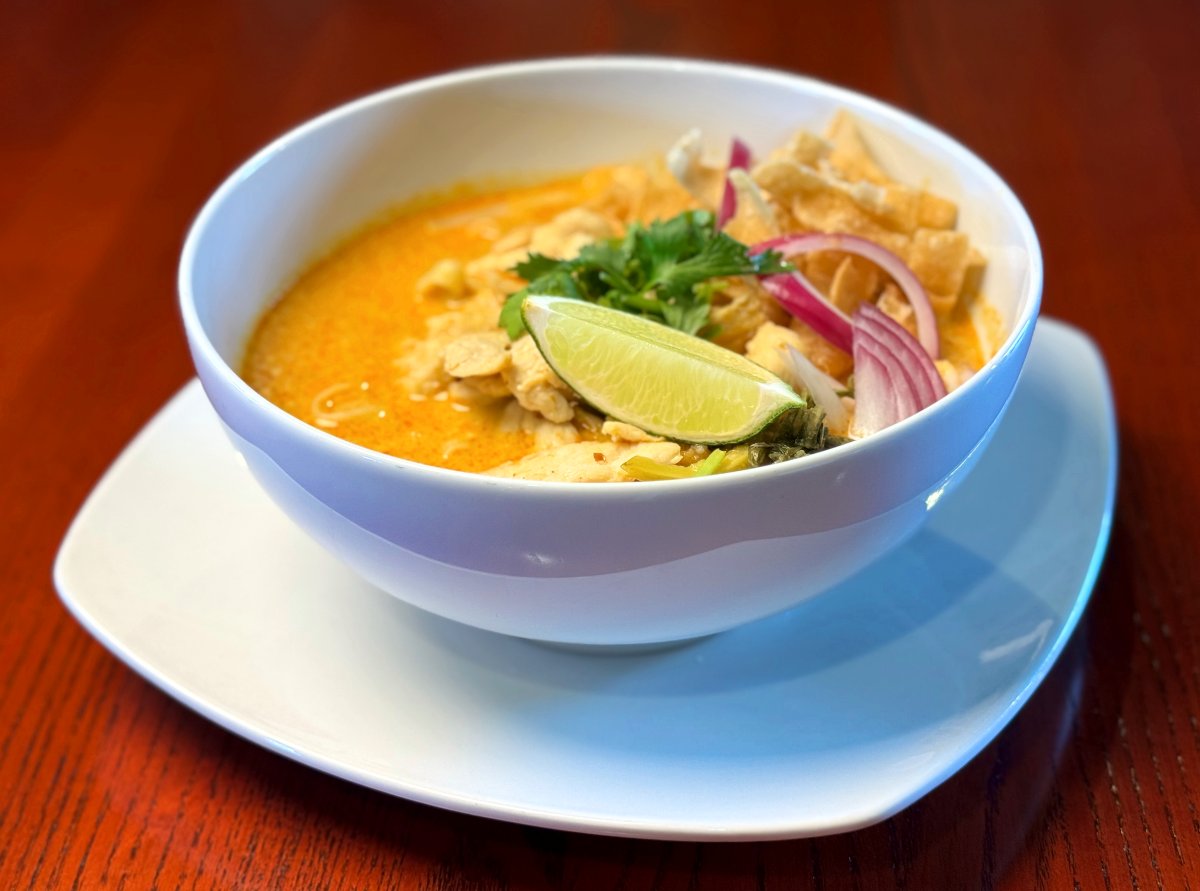
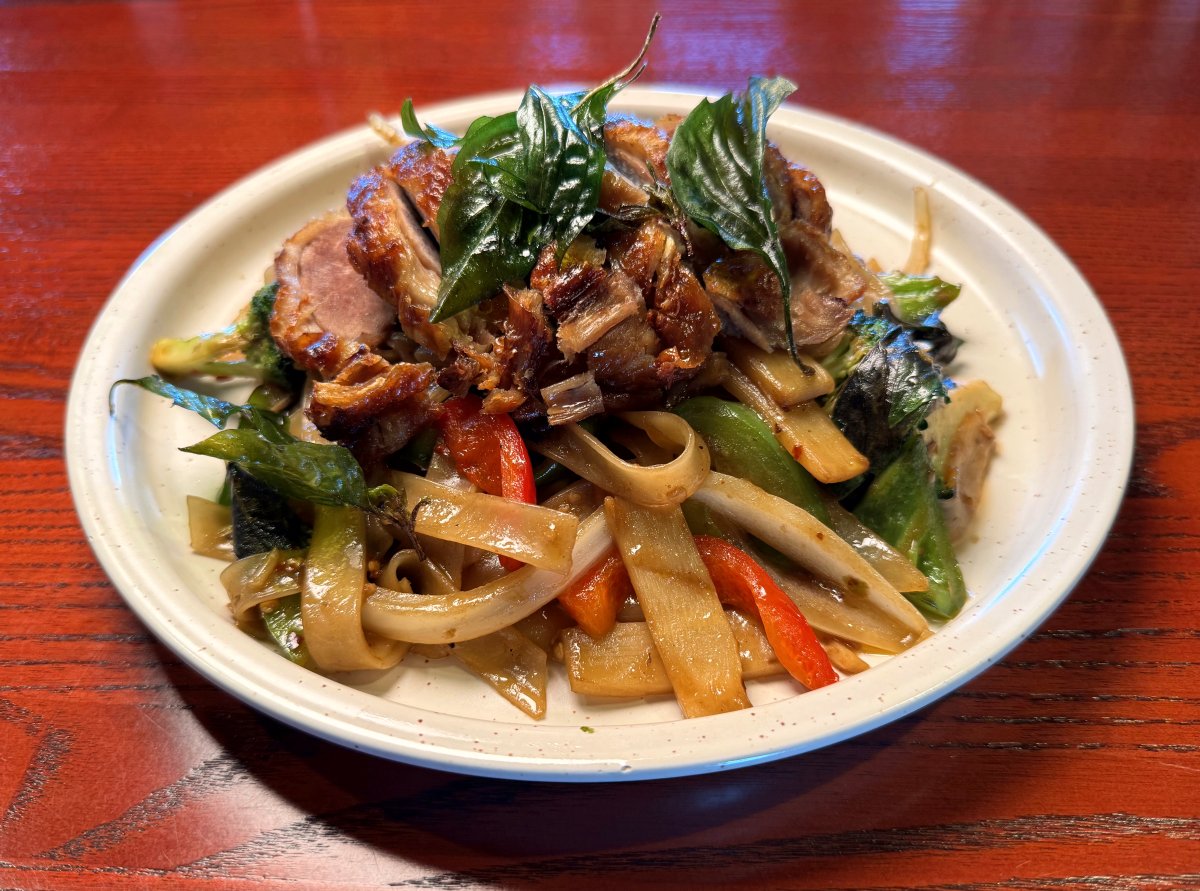
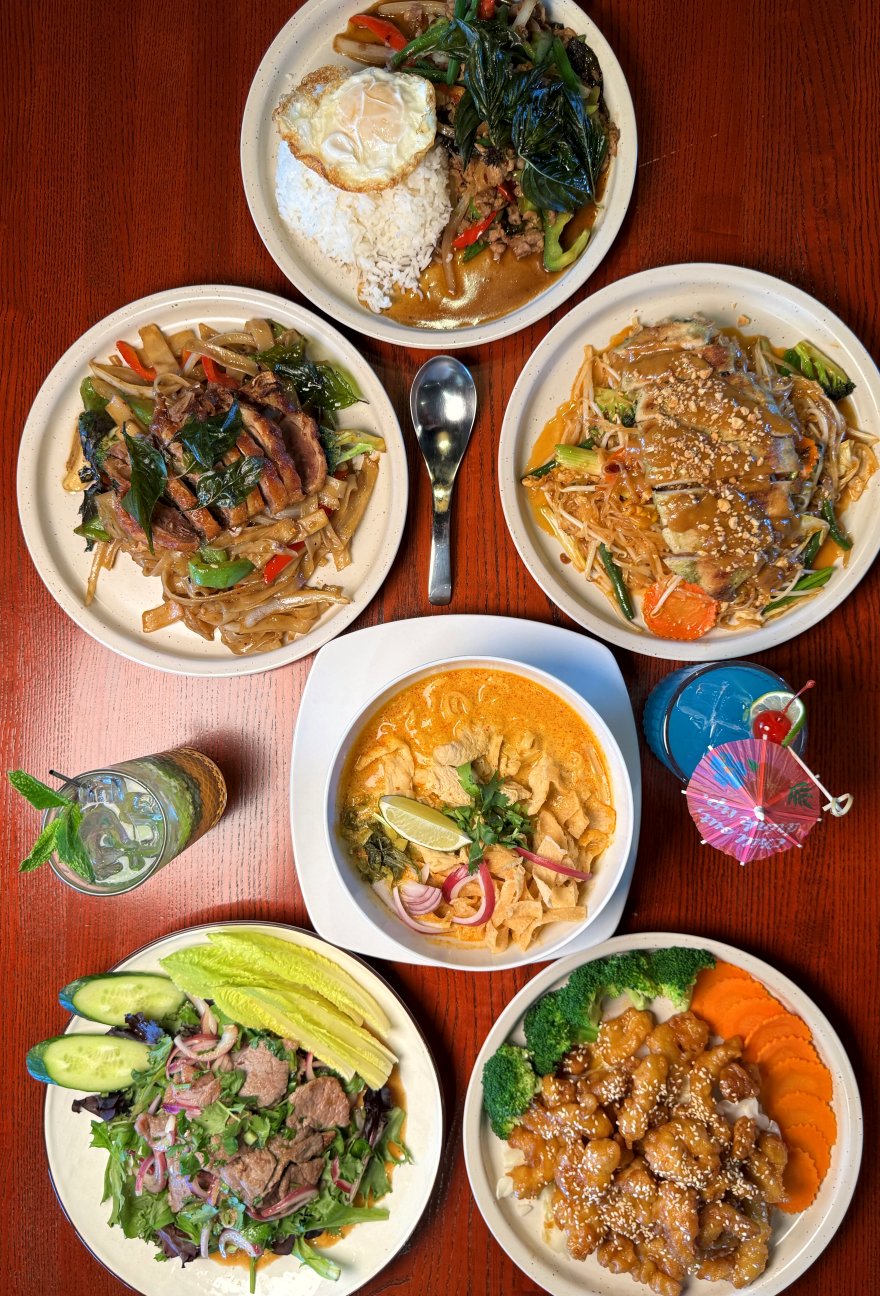
There are cravings you can talk yourself out of, and then there are cravings that take over the whole evening. Drunken noodles fall firmly into the second category. When the urge hits, it is rarely subtle. You want wide rice noodles with chewy edges, basil that blooms the second it meets heat, chilies that wake everything up, and a sauce dark enough to feel savory before the plate even lands. You do not want a polite meal. You want a bowl that feels like relief.
That urgency is probably why so many people type “Drunken Noodles Near Me” into their phones and hope the map does the hard part. Sometimes it works. Sometimes it sends you to a place that gets the shape of the dish right but misses the point. The noodles are too soft, the heat is one-dimensional, or the basil is so timid that the whole thing tastes like generic stir-fry. A good drunken noodle should feel loud in all the right ways. Sweetness, smoke, salt, heat, and char should show up together, not one at a time.
The dish is especially satisfying because it sits at the intersection of comfort and intensity. It is filling without being heavy in the way cream-based comfort food can be. It has enough spice to sharpen your mood, enough soy-driven depth to feel grounding, and enough variation from one kitchen to the next that tracking down your favorite becomes a small personal mission. Once you have had a truly excellent plate, the average versions become easy to spot.
What makes a great drunken noodle worth leaving the house for
A strong plate of drunken noodles starts with the noodles themselves. They should be broad and supple, but not limp. Fresh wide rice noodles often give the best texture, especially when the cook gets a little caramelization on the edges. That slight sear matters more than many people realize. It creates contrast, and contrast is what keeps the dish from tasting flat after a few bites.
The sauce should coat, not drown. This is one of the most common points where takeout places miss. Too much sauce turns the container into a steam bath, and by the time you get home the noodles have absorbed everything into a salty, sticky mass. Too little sauce, and the dish eats dry, with bare patches of noodle and isolated bites of vegetables. The sweet spot is a glossy coating that reaches every strand without pooling underneath.
Basil is non-negotiable. Thai basil brings a peppery, anise-like note that gives drunken noodle its lift. Without it, the dish can still be good, but it starts drifting toward a generic stir-fried noodle plate. The same goes for chilies. Heat does not have to be extreme, but it should be alive. There should be a reason your nose notices the first bite.
Protein matters, though perhaps less than people assume. Chicken is the most common choice and works well because it soaks up sauce without dominating it. Beef can be excellent if sliced thin and cooked hot enough to keep some seared edge. Shrimp brings sweetness but can overcook quickly, especially in rushed kitchens. Tofu is often better than people expect when the restaurant presses and crisps it properly. In a lot of neighborhood Thai spots, tofu drunken noodle is actually the safest order because the kitchen handles it with more consistency than seafood.
Vegetables should support the noodles, not pad the portion. Bell pepper, onion, baby corn, green beans, or broccoli all show up from place to place. There is no single correct combination. What matters is whether the vegetables still have a little bite. Mushy vegetables are usually a sign the wok time was off or the dish sat too long before pickup.
The difference between good and unforgettable
Most Thai restaurants can make a respectable drunken noodle. Far fewer make the version you think about the next day. The difference often comes down to wok cooking. When a restaurant uses high heat well, the sauce hits the noodles fast, the aromatics bloom instantly, and the whole plate picks up that elusive, smoky edge people usually describe as restaurant flavor. It is not just salt or sugar. It is speed, heat, and timing.
That is why drunken noodle can be surprisingly inconsistent even within the same restaurant. A busy Friday night shift with an experienced cook may turn out a plate that tastes balanced and vibrant. A sleepy Tuesday lunch from a newer line cook might come out pale and over-sauced. If you are trying a place for the first time, dinner service often gives you a better read on how strong their noodle game really is.
Portion size can also mislead people. A giant clamshell packed to the lid can feel like a bargain, but if the noodles are clumped and under-seasoned, size does not save it. I would rather get a slightly smaller portion with proper wok char and fresh basil than a mountain of bland noodles that needs chili oil to become memorable.
How to tell if a local spot is likely to deliver
When people search for Drunken Noodles Near Me, they usually start with ratings. That helps, but ratings alone are blunt tools. A restaurant with a high overall score may be famous for curries or soups while its noodle dishes are merely decent. You need clues that are more specific.
Read reviews that mention noodle texture, spice balance, or basil by name. If multiple people say the noodles were smoky, spicy without being punishing, and still held up as takeout, that is a promising sign. If reviews keep praising “huge portions” but say little about flavor, I would keep looking. That usually means the dish fills the box without standing out.
Menu language can also tell you something. A place that lists drunken noodle plainly but offers a thoughtful spice scale or notes ingredients with confidence often takes the dish seriously. If the menu lumps every noodle dish together with vague descriptions, the kitchen may be treating them as interchangeable. That does not guarantee a bad meal, but it lowers the odds of finding a memorable one.
Photos are useful, with caveats. You are looking for sheen, not soup. You want visible basil and some color variation from peppers or onions. If every photo shows beige noodles slick with oil and no herbs in sight, that is not a strong bet. User-submitted photos are more revealing than staged delivery app images, because they show what real orders look like after the trip home.
Distance matters more than people think. Drunken noodle is resilient compared with fried foods, but it still suffers on long rides. Twenty minutes in a sealed container can soften texture and dull the basil. If you have two equally promising options, the closer one often wins. Pickup is usually better than delivery if the restaurant is more than a short drive away.
Why some drunken noodles travel well and others collapse
Takeout has changed the way people judge noodle dishes. A restaurant may produce a beautiful plate in-house but send out a disappointing version once it sits in a plastic container. This is not always the restaurant’s fault. Steam is the enemy of texture, and wide rice noodles trap heat aggressively.
That said, experienced kitchens know how to hedge against this. They keep the sauce slightly tighter for takeout, avoid overloading the box, and cook vegetables just enough to survive the trip. Some even leave a little headspace in the container so the noodles do not compact into a brick. You can spot these places quickly once you have ordered from enough Thai restaurants. The food arrives hot but not soggy, and the noodles separate with a fork instead of tearing into strips.
If I know I am bringing drunken noodle home, I usually ask for medium spice rather than max heat unless I trust the kitchen. Extra-hot versions can taste more aggressive after steaming in transit because the spice concentrates and the other aromatics recede. Medium or medium-hot often gives a more balanced result at home, especially if you plan to reheat leftovers.
Leftovers are another hidden test. A good drunken noodle should still taste coherent the next day. The noodles may soften a bit, but the sauce should not turn muddy. If reheated gently in a skillet with a teaspoon of water, a strong version can bounce back surprisingly well. A weak version becomes glue.
Regional variation is real, and that is part of the fun
People often talk about drunken noodle as if there is one ideal format, but neighborhood Thai cooking in the United States has always involved adaptation. Some restaurants push sweetness a little more. Some lean harder into savory soy depth. Some bring serious chile heat, while others aim for broad comfort and keep the spice moderate unless you request otherwise.
This https://ameblo.jp/zaneyogv204/entry-12976728504.html variation is not automatically a flaw. In fact, part of the pleasure of hunting for your favorite Drunken Noodle is learning which style fits your own craving. On a cold night, a sweeter, darker sauce with lots of onion and basil can hit exactly right. On a humid summer evening, a hotter, sharper version with fresh chili and more green vegetables may feel more alive.
The question is not whether a restaurant follows a single rigid blueprint. The question is whether the plate tastes intentional. Does the sweetness have a reason to be there? Does the heat build naturally or just punch? Does the basil read as fresh and aromatic, or merely decorative? Those details reveal whether the kitchen understands the soul of the dish or is just moving ingredients through a wok.
The comfort food factor no one should underestimate
A lot of foods get labeled comfort food simply because they are rich or familiar. Drunken noodle earns the title differently. It comforts by being direct. There is no mystery about what it is trying to do. It wants to satisfy you fully, quickly, and without fuss. That straightforwardness is powerful, especially after a long day.
I have seen this dish work in almost every situation where comfort food matters. It is the order people place after late meetings when they are too tired to cook but still want something real. It is the thing friends share at the table while debating whether to add another side of spring rolls. It is the reliable answer when someone in the group wants spice, someone wants noodles, and someone else just wants a meal that feels generous.
There is also something grounding about the sensory profile. Soft noodles, crunchy vegetables, hot chilies, sweet-savory sauce, fragrant basil. Your palate does not have to search for interest because it is all right there. That makes the dish especially appealing when you are overstimulated or indecisive. A good plate settles the question immediately.
If you are comparing nearby restaurants, pay attention to these details
If I were choosing between several local Thai spots for a first-time order, I would weigh practical details before tapping “place order.” They tend to predict satisfaction better than broad star ratings.
- Look for specific review language about wok char, basil, and noodle texture.
- Favor restaurants within a reasonable delivery radius, or choose pickup.
- Check recent photos for glossy noodles, visible herbs, and restrained sauce.
- Be cautious of places praised only for oversized portions.
- If available, order at dinner when the wok station is fully active.
Those five checks will not guarantee greatness, but they improve the odds dramatically. They also help you avoid the most common disappointments, especially overcooked noodles and steam-sogged takeout.
Heat levels can make or break the experience
One mistake people make with drunken noodle is treating spice level like a bravery test. The hottest option is not always the best one. At some restaurants, “Thai hot” is balanced and exhilarating. At others, it bulldozes the basil and sauce so completely that every bite tastes like punishment and soy.
If you do not know the kitchen, medium-hot is often the smart move. It gives the dish room to show its full personality. You still get the chile lift, but you can taste the sweetness, savoriness, and aromatics underneath. Once you know how a restaurant calibrates heat, then you can adjust confidently.
There is also a practical point here. Delivery apps tend to strip nuance from spice preferences. What feels like a clear request on the screen may translate loosely in the kitchen. Calling in a pickup order sometimes gets better results, especially if you want something like “a little hotter than medium, but not extreme.” Good restaurants usually understand that kind of request immediately.
The best pairings, if you want to turn one dish into a real meal
Drunken noodle can absolutely stand alone, but there are times when it shines even more with the right companion. Crisp starters work best because they offset the noodle’s chew and sauce. Fresh rolls can do the job, though they lean cool and soft rather than crisp. Papaya salad is excellent if the kitchen makes a punchy one, because the acidity cuts through the richness of the noodles. A light soup can also make sense if you are eating in, especially if the weather is cold and you want contrast in temperature as much as flavor.
For drinks, I tend to keep it simple. Iced tea, sparkling water with lime, or a light lager all work. Sweet drinks can push the meal too far into sugary territory if the sauce already leans sweet. Rich desserts right afterward rarely make sense to me. Drunken noodles leave a lingering savory heat that is more satisfying when you let it fade naturally.
Vegetarian and gluten-sensitive diners should not assume all versions are equal
This is where details matter. Vegetarian drunken noodle can be fantastic, but some restaurants use sauces or seasonings behind the scenes that may not fit a strict vegetarian diet. The same goes for gluten-sensitive diners, since soy-based sauces vary and cross-contact in a wok kitchen is common. If this matters to you, ask specific questions rather than relying on menu icons alone.
A thoughtful restaurant will usually answer clearly. They will tell you whether they can swap sauces, whether the tofu is prepared separately, and how realistic it is to avoid cross-contact. The best sign is confidence without overpromising. Any place that instantly guarantees perfect separation in a very small, busy kitchen deserves a second question.
The upside is that tofu drunken noodle, when done well, is deeply satisfying. Crisp-edged tofu catches sauce beautifully, and the mildness of the protein lets basil and chili carry the plate. Some of the best versions I have had were vegetarian by design rather than as an accommodation.
Why your favorite place might not be the fanciest one
The strongest drunken noodle in a city is often not coming from the trendiest dining room. It may come from a strip-mall Thai restaurant with fluorescent lighting, a compact menu, and a cook who has been working the same wok station for years. This is one of those dishes where repetition and instinct count for a lot. Fine dining polish does not always help. What matters is whether the cook knows exactly how long those noodles need, exactly when the basil goes in, and exactly how to keep the sauce from overwhelming the plate.
That is part of what makes the search rewarding. You are not only looking for the nearest answer to a craving. You are looking for the place that understands the dish deeply enough to make it feel inevitable. The best version tastes as if there were no other way it could have been cooked.
So yes, search for “Drunken Noodles Near Me” when the craving arrives. Just do not stop at the first result. Read carefully, order thoughtfully, and pay attention to the details that separate a serviceable takeout dinner from a true comfort food staple. Once you find the right spot, the craving becomes much easier to answer, and much harder to ignore.
Nakhon Luang Thai Kitchen
Address: 805 Village Center Dr, Colorado Springs, CO 80919
Phone number: +17195315175
FAQ About Drunken Noodles Near Me
What makes it drunken noodles?
Drunken noodles, or Pad Kee Mao, get their name from the Thai word khi mao (meaning "drunkard"). They contain no alcohol. The name comes from the idea that the dish is a popular late-night meal to cure a hangover or a great food to eat with a cold beer.
What is the difference between pad see ew and drunken noodles?
While both Pad See Ew and Drunken Noodles use the same wide rice noodles, Pad See Ew is a mild, sweet-savory dish made with dark soy sauce and Chinese broccoli, whereas Drunken Noodles (Pad Kee Mao) are fiery, garlicky, and herbaceous with fresh chilies and Thai basil.
What are traditional drunken noodles?
Traditional drunken noodles, known as Pad Kee Mao in Thai, are a fiery, savory street food stir-fry made with wide flat rice noodles, fresh garlic, lots of hot chilies, meat or tofu, and fragrant holy basil. Despite the name, they contain no alcohol; the dish is traditionally eaten late at night or as a hangover cure because the intense spice helps clear the head.