Affordable Drunken Noodles Near Me That Still Taste Amazing
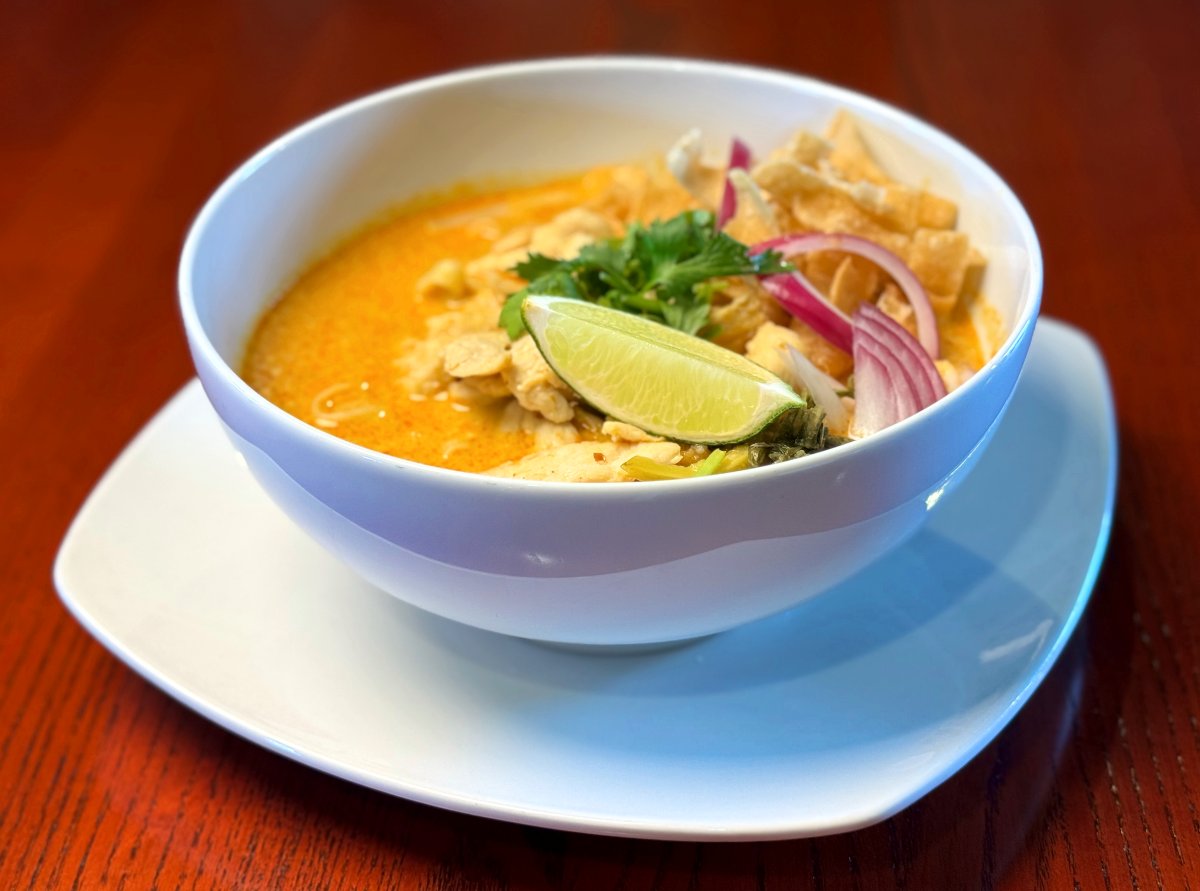
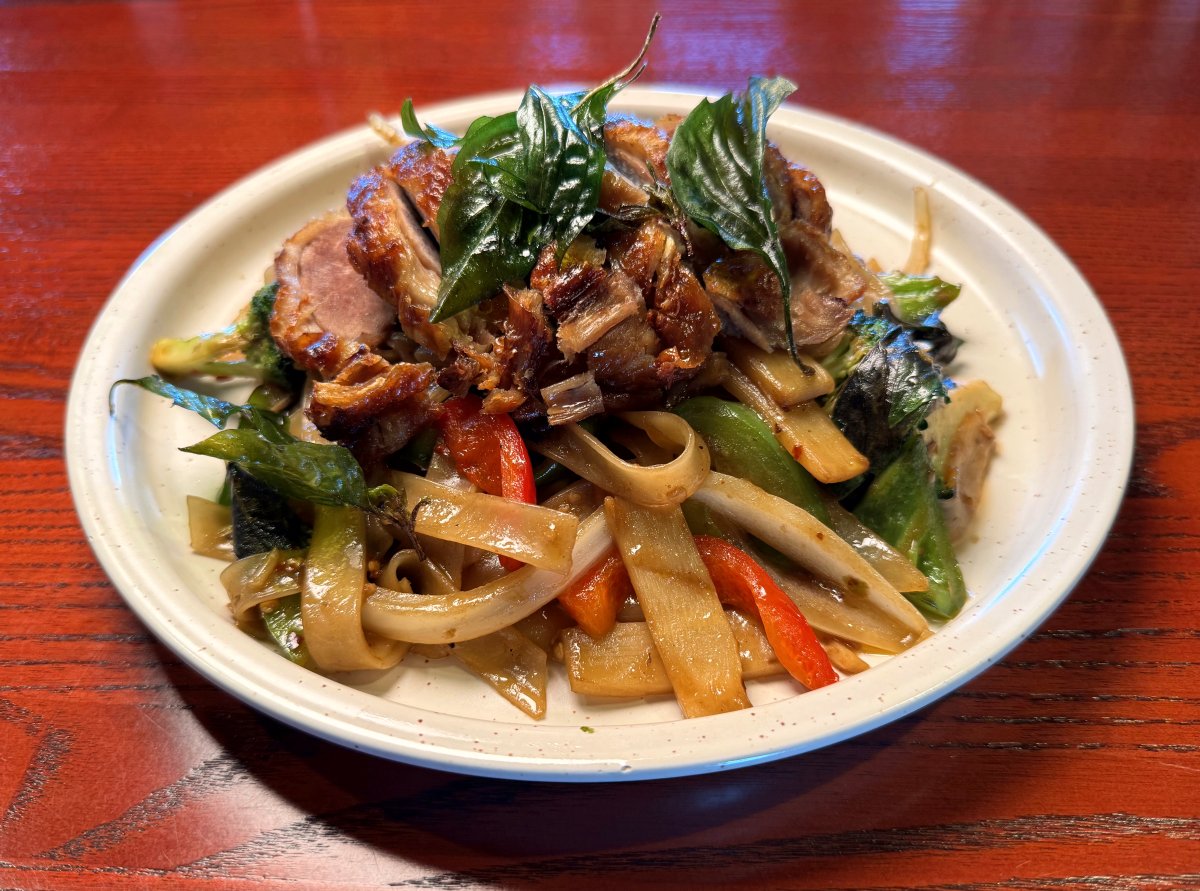

Few takeout cravings hit quite like a good plate of drunken noodles. When they are done well, you get that unmistakable mix of chew, char, heat, sweetness, and basil perfume that clings to every wide rice noodle. When they are done poorly, you get a sticky, over-sauced tangle that tastes mostly of sugar and soy. The frustrating part is that the price gap between those two versions is often tiny. A budget-friendly plate can be deeply satisfying, while an expensive one can feel flat and forgettable.
That is why the search for affordable Drunken Noodles Near Me usually comes down to one question: how do you spot real value before you spend https://lorenzowvge130.raidersfanteamshop.com/drunken-noodle-near-me-how-to-spot-authentic-thai-street-flavor your money?
After years of ordering Thai food in different cities, from tiny family-run spots tucked into strip malls to sleek downtown restaurants charging nearly double, a pattern starts to emerge. Great drunken noodle is not strictly a luxury dish. It is a technique dish. A kitchen that understands heat, timing, noodle texture, and sauce balance can make an excellent plate at a reasonable price. A place with premium rent, glossy branding, and oversized menu photography can still miss the mark.
What makes drunken noodle worth chasing
Drunken noodle, often listed as pad kee mao, earns loyalty because it delivers a lot in one dish. You get substantial noodles, a bold sauce, vegetables with texture, aromatic herbs, and usually a choice of protein that can turn it into a complete meal. It is also forgiving enough to survive takeout better than some lighter stir-fries, which matters when you are trying to eat well without paying dine-in prices.
The best versions have a few clear traits. The noodles should be broad and springy, not dissolved into mush. The sauce should coat rather than drown. Heat should be noticeable, but not so aggressive that it wipes out the garlic and basil. Vegetables, often bell peppers, onion, baby corn, or broccoli, should still have bite. Protein should taste integrated into the wok fry, not steamed separately and tossed in at the end.
People often focus on spice level, but texture is what separates memorable drunken noodle from a mediocre one. The dish needs contrast. Soft noodle alone will not carry it. That slight sear from a hot pan, a few crisp vegetables, and basil added late enough to stay fragrant rather than blackened, those are the small details that make a cheaper plate feel like money well spent.
Cheap is not the same as good value
A low menu price can be misleading. I have seen plates priced two or three dollars below the local average that arrived in smaller containers, padded with onions, and thin on protein. On paper, that looked affordable. In practice, it was poor value because I ended up hungry an hour later.
A better way to think about price is cost per satisfying meal. If a ten-dollar order gives you a generous portion with enough protein and vegetables to split into lunch and dinner, that beats an eight-dollar order that barely fills one container. This is especially true with Drunken Noodle, because portion size varies wildly between restaurants. Some pack noodles tight into a round container that feels heavier than it looks. Others serve a shallow tray that seems full but turns out to be mostly air and sauce.
Neighborhood economics matter too. In dense downtown areas, the same dish can cost several dollars more simply because labor and rent are higher. That does not automatically mean the cooking is better. Some of the best affordable versions come from older restaurants in less fashionable retail strips, where the overhead is lower and the kitchen relies on repeat local business instead of trendy foot traffic.
The signs of a great budget plate before you order
If you are hunting for affordable drunken noodles without trial-and-error disappointment, there are clues worth paying attention to. You do not need a food critic’s palate, just a little pattern recognition.
First, look at the menu as a whole. A place that offers pad thai, drunken noodle, basil fried rice, and a few curries without turning the menu into a 200-item catchall often has a stronger grip on execution. Restaurants with concise Thai sections usually move their ingredients faster. Fresh basil, rice noodles, and stir-fry sauces do not sit around as long.
Second, check whether spice customization sounds thoughtful rather than generic. A restaurant that lets you choose mild, medium, hot, or Thai hot is common. What matters is whether reviews mention balanced spice or whether customers complain that every level tastes the same. Good kitchens understand that heat should shape the dish, not bulldoze it.
Third, read reviews for texture words, not just enthusiasm. Phrases like “smoky,” “chewy noodles,” “not greasy,” “fresh basil,” and “good wok char” tell you more than “so yummy” ever will. The people writing those reviews may not be experts, but they are often describing the exact qualities that matter.
Fourth, pay attention to protein pricing. If chicken and tofu stay within a normal range and shrimp or beef cost a little more, that is expected. If every protein upgrade jumps sharply, the restaurant may be balancing margins through add-ons rather than delivering value in the base dish.
Finally, photos help, but only when interpreted carefully. A glossy, sauce-heavy image can look appetizing and still suggest over-saucing. I usually trust customer photos more than official menu photography. If the noodles look distinct rather than clumped and the vegetables still show shape and color, that is a good sign.
Why some inexpensive spots nail the dish
There is a practical reason many affordable Thai restaurants produce excellent drunken noodles: stir-fry dishes reward repetition. A busy kitchen making the same core dishes all day develops rhythm. The cook learns exactly how long the noodles can sit before they tighten, how much sauce the pan can handle before steaming overtakes searing, and when the basil should go in.
That kind of repetition can outperform trendier restaurants where the Thai menu is broad but not central to the business. I have ordered from expensive fusion spots where drunken noodle felt like an afterthought, sweet, glossy, and oddly polite. Then I have picked up a cheaper container from a neighborhood place where the noodles had rough edges from the pan and a pleasant blast of chili that made the whole dish feel alive.
There is also less pressure in modest restaurants to reinvent a classic. Many affordable shops are serving local regulars who want consistency, not novelty. That often leads to more honest cooking. The basil is there because it belongs there. The heat is not held back to chase mass-market approval. The dish tastes like someone actually wants to eat it.
How to search for “Drunken Noodles Near Me” without wasting money
Search engines and delivery apps make it easy to find ten options in a few seconds. They also make it easy to choose badly. Sponsored listings, inflated ratings, and old review photos can steer you toward expensive disappointment.
A more reliable approach is to use the search results as a filter, then verify with restaurant-specific details. Start with distance, because drunken noodle does not improve on a long delivery route. A nearby restaurant has a better chance of preserving texture. The noodles may soften slightly in the container, but they will still hold more structure than something that spent 40 minutes in transit.
Next, compare menu prices within a narrow radius. The local average tells you more than any national standard could. In one area, a fair price for chicken drunken noodles might sit around twelve to fourteen dollars. In another, especially a suburban strip center with lower overhead, you may still find it around ten to twelve. What matters is how that price compares to nearby competitors serving the same cuisine under similar conditions.
Look at the side dishes too. If spring rolls, fried rice, and soups are all priced aggressively high, the restaurant may simply be expensive across the board. If those items look reasonable and the drunken noodles still sit within range, that often suggests the pricing is more grounded.
I also like to place a first order with the default protein, usually chicken or tofu, rather than paying for shrimp or beef right away. A kitchen that cannot execute the base version will not be rescued by a pricier add-on.
Portion size tells you a lot about real affordability
One of the easiest ways to judge value is to ask whether the dish can stretch into leftovers without becoming sad food. Drunken noodle performs surprisingly well on day two if it was not drowned in sauce to begin with. The noodles absorb some moisture overnight, but a quick reheat in a pan or even a microwave with a splash of water can revive them.
A restaurant that gives a compact but dense portion often offers better value than one using oversized containers. I remember a local spot that served drunken noodles in what looked like an average takeout box. The difference was weight. It was packed with noodles, chicken, basil, and vegetables, not loose filler. Two meals, easily. Another place used a broad plastic tray that photographed beautifully and cost more, but most of the volume came from onions and sauce.
If you are ordering for a family or trying to keep costs down over several meals, ask yourself whether it makes more sense to buy multiple noodle dishes or pair one noodle dish with rice, curry, or an appetizer that can be shared. Sometimes the affordable move is not choosing the absolute cheapest item. It is choosing the combination that creates the least waste and the most satisfaction.
Common shortcuts that ruin cheap drunken noodles
Budget cooking does not have to feel cheap, but some shortcuts show up often enough that they are worth naming. Once you recognize them, you can avoid repeat mistakes.
- Excess sugar that flattens the savory and spicy notes
- Overcooked noodles that fuse into one dense mass
- Too much onion used to bulk up the portion
- Protein cooked separately and added without real wok contact
- Basil added too early, leaving it dark and lifeless
These problems are not exclusive to inexpensive restaurants, but they show up more often when a kitchen is trying to move food fast without enough control over the pan. The worst part is that they can all be hidden under a shiny layer of sauce. A first bite may seem decent, then the whole dish becomes heavy and monotonous.
Protein choices and how they affect value
Not every protein gives the same return on your money. Chicken is usually the safest value option because it works naturally with the sauce and holds up well under high heat. Tofu can be excellent too, especially if the kitchen presses or fries it first so it keeps shape and picks up flavor. Both often deliver the best balance of cost and satisfaction.
Beef can be great in drunken noodle, but cheaper cuts turn tough fast if sliced too thick or cooked too long. Shrimp adds sweetness and a little luxury, though the upcharge is not always worth it unless the restaurant is reliably good with seafood. If you are testing a new place, start with chicken or tofu. Once the noodles themselves prove worthy, then branch out.
There is also a practical portion issue. Many restaurants are more generous with chicken than with shrimp. A shrimp version may cost three or four dollars more while including fewer pieces of protein overall. If you are chasing affordability, that matters.
Dine-in, pickup, and delivery are not equal experiences
Drunken noodle changes depending on how you get it. Straight from the wok at the table, it has the best texture and aroma. Pickup is usually the second-best option, especially if you can get home quickly. Delivery is the least reliable because steam trapped inside the container keeps softening the noodles.
That does not mean you should avoid delivery. It just means you should be realistic about what survives the trip. If a restaurant is ten minutes away and packs food well, delivery can still be excellent. If it is across town, even a great kitchen may arrive tasting average.
When I am trying a new restaurant specifically for drunken noodles, I prefer pickup. It removes one variable. If the dish is bad, I know the kitchen probably missed. If it is great, then I can decide later whether it is robust enough for delivery.
How to improve an average order at home
Sometimes your nearest affordable option is decent, not exceptional. That does not mean you are stuck. A few small adjustments can rescue a middling plate.
If the noodles arrive too wet, a quick toss in a hot skillet for two minutes can evaporate excess sauce and restore some texture. If the flavor feels dull, a squeeze of lime can sharpen it immediately. If the spice is timid, a little chili crisp or sliced fresh chili can wake it up. Fresh basil added right before serving is another surprisingly effective fix, especially when the restaurant underuses herbs.
I would not recommend doctoring every takeout dish, because that defeats the point of convenience. Still, if you found a place that offers solid portions and fair pricing but misses one or two details, these small tweaks can make it worth keeping in the rotation.
Price ranges that usually make sense
Prices vary by region, and any rigid number becomes outdated quickly. Still, some ranges are useful as a gut check. In many suburban and mid-cost markets, a chicken or tofu drunken noodle around ten to fourteen dollars often feels reasonable. In more expensive urban areas, twelve to seventeen may be normal. Once you push well beyond that, the restaurant should be offering something clearly better, stronger ingredients, larger portions, better execution, or all three.
A suspiciously cheap plate can be a warning sign too. If the price is far below the local norm, ask why. Maybe the restaurant is running a genuine special. Maybe the portion is tiny. Maybe the dish is built around filler. Affordable is good. Implausibly cheap often comes with compromise.
A short checklist for your next order
When deciding where to order from, I keep a simple mental filter:
- Choose the closest well-reviewed Thai spot rather than the farthest trendy one
- Read for texture and balance, not hype alone
- Compare portion photos from customers, not only official images
- Start with chicken or tofu before paying for premium add-ons
- Favor pickup if you want the noodles at their best
It takes about three extra minutes, and those three minutes save a lot of disappointing lunches.
Why the best affordable spots earn repeat business
A restaurant does not need luxury ingredients to make excellent drunken noodles. It needs control, consistency, and enough respect for the dish to avoid drowning it in shortcuts. That is why affordable neighborhood places so often outperform pricier competitors. They understand that if a regular can get a hot, balanced, filling plate for a fair price, that regular will come back.
There is a kind of honesty in that transaction. You are not paying for elaborate plating, influencer-friendly decor, or a menu engineered to look upscale. You are paying for a cook who knows what a wide rice noodle should feel like after the wok, how much basil the dish can carry, and how to build heat without wrecking flavor.
That is the standard worth chasing when you search for Drunken Noodles Near Me. Not the absolute cheapest result, not the most polished listing, but the place that gives you the feeling that someone in the kitchen has made this dish hundreds of times and still cares about getting it right.
When you find that place, hang on to it. Affordable meals that still taste amazing are rarer than they should be, and a truly satisfying Drunken Noodle sits high on that list.
Nakhon Luang Thai Kitchen
Address: 805 Village Center Dr, Colorado Springs, CO 80919
Phone number: +17195315175
FAQ About Drunken Noodles Near Me
What makes it drunken noodles?
Drunken noodles, or Pad Kee Mao, get their name from the Thai word khi mao (meaning "drunkard"). They contain no alcohol. The name comes from the idea that the dish is a popular late-night meal to cure a hangover or a great food to eat with a cold beer.
What is the difference between pad see ew and drunken noodles?
While both Pad See Ew and Drunken Noodles use the same wide rice noodles, Pad See Ew is a mild, sweet-savory dish made with dark soy sauce and Chinese broccoli, whereas Drunken Noodles (Pad Kee Mao) are fiery, garlicky, and herbaceous with fresh chilies and Thai basil.
What are traditional drunken noodles?
Traditional drunken noodles, known as Pad Kee Mao in Thai, are a fiery, savory street food stir-fry made with wide flat rice noodles, fresh garlic, lots of hot chilies, meat or tofu, and fragrant holy basil. Despite the name, they contain no alcohol; the dish is traditionally eaten late at night or as a hangover cure because the intense spice helps clear the head.